

Character Development
Life lessons from screenwriting.

Who would I be if I couldn’t write?
I wouldn’t understand myself at all. One of my best and worst habits is overindulging (“processing”) my feelings into a journal every morning. People have carbs or night caps or online shopping. I have raging into a screen, then snapping my laptop shut, relieved and smiling as if I didn’t just annihilate whatever minor inconvenience ruined a few minutes of my day.
When Joan Didion’s journals were published posthumously a few years ago, I was horrified. “This is my worst nightmare,” I announced to anyone who would listen. I posted it to Instagram stories for good measure, making sure everyone knew not to do this when I die. Forget the death of a loved one, a fascist regime, or being buried alive; my worst fear is people reading the petty, awful thoughts I write down every day just to drain the swamp of my inner darkness.
The humiliating part is that most of the time, my private writing is far more incisive and alive than anything I publish. It proves that you should write about things you actually care about, no matter how innocuous. What an upsetting ultimatum: be exposed as a monstrous person but a decent writer, or remain an ok writer but virtuous. Just a reminder: don’t publish my journals when I die.
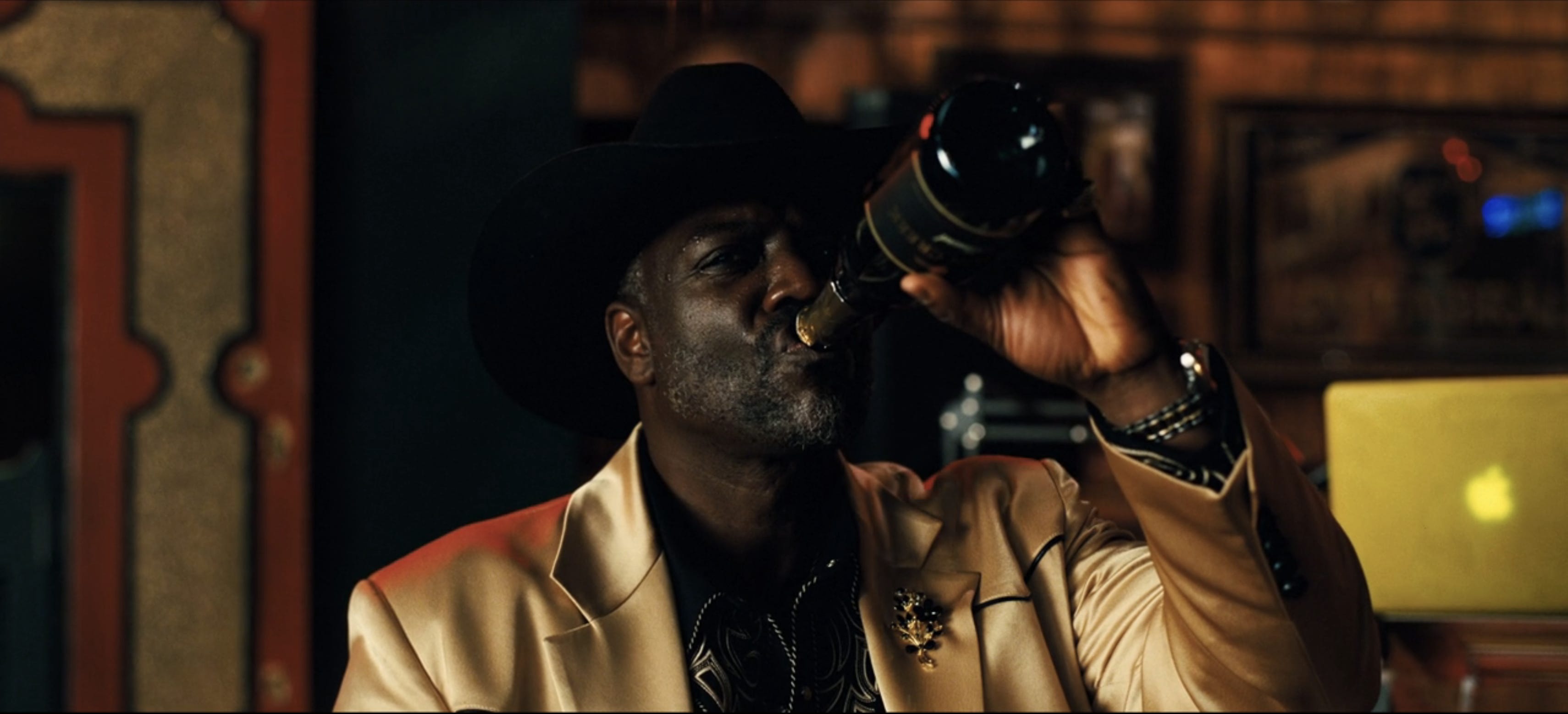
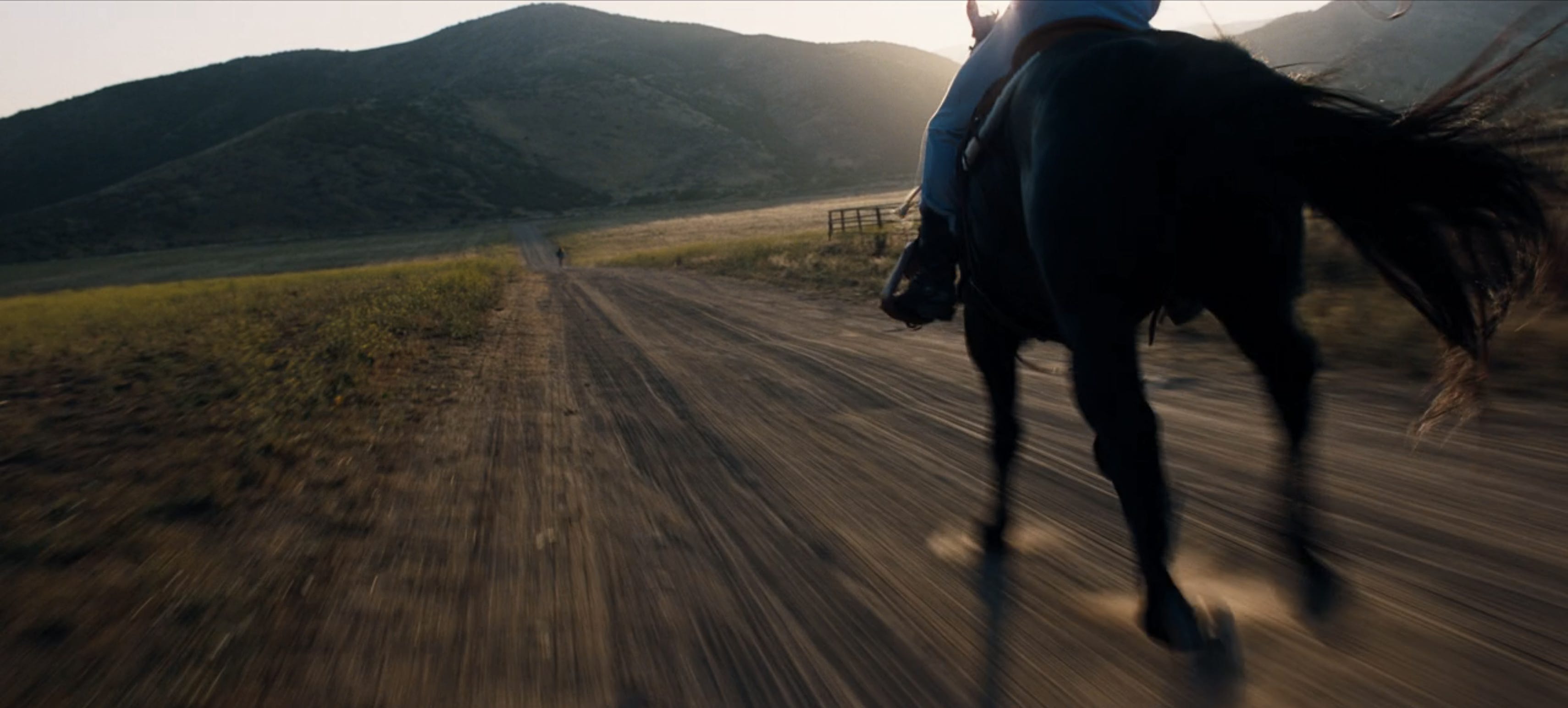
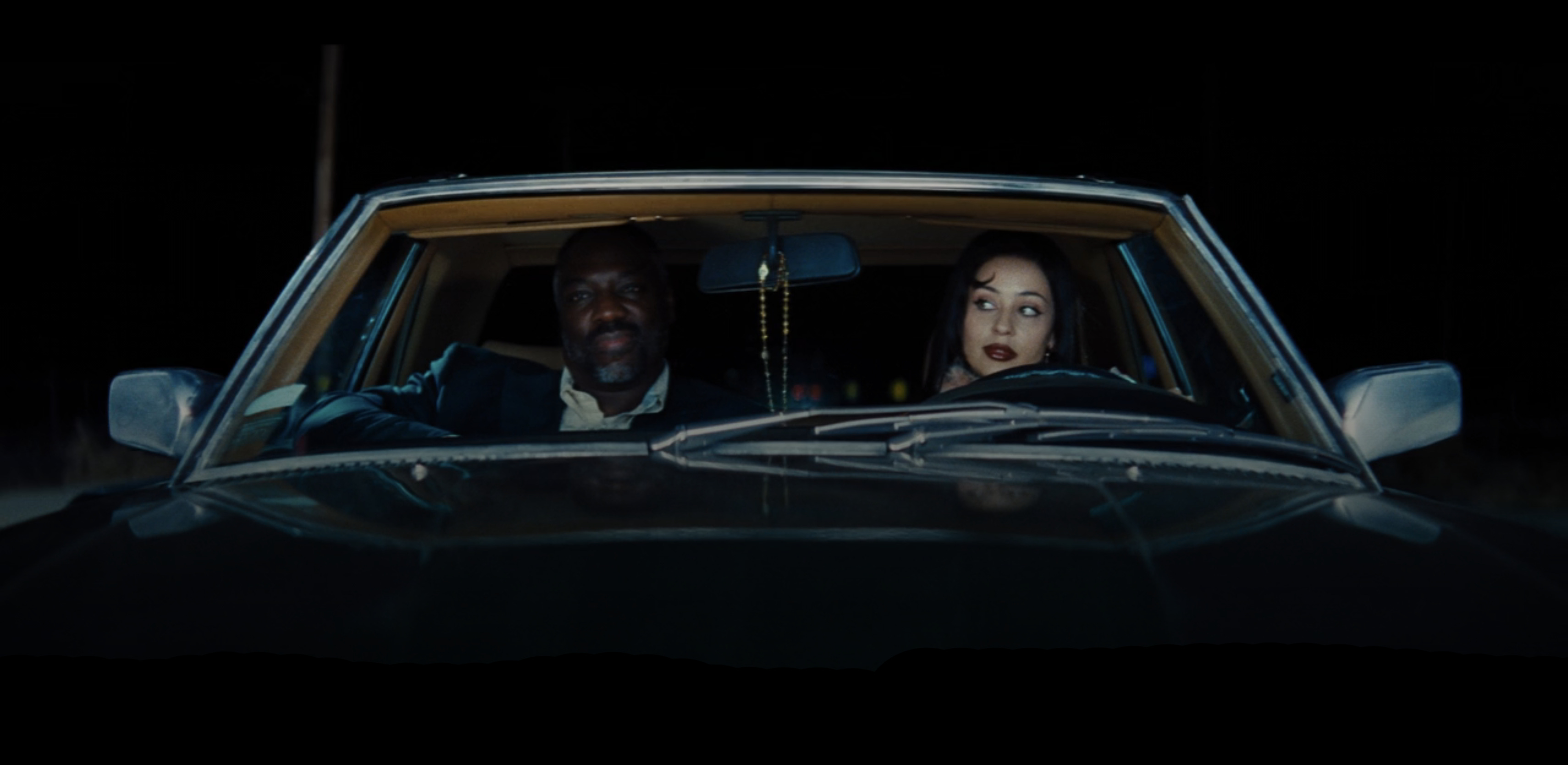
I wrote my first feature screenplay a year ago. It’s a spec, which means “nobody asked for this, but now it’s here.” It’s a road-trip film, a seedy neo-Western with a B-story involving a California cult. I remain privately convinced that Sam Levinson hired a cybercriminal to break into my desktop and steal this exact vibe for Euphoria Season Three. Then again, it could be that we’re both Tarantino fans. That’s probably it.
Before that specific delusion took hold, I was certain the script would be my bad pancake, a first attempt meant purely for figuring out structure. I entered it into a few festivals and competitions to get feedback. I had no semblance of whether or not it was any good and needed a stranger, someone who wouldn’t placate me, to tell me.
To my genuine shock, it placed in the Top 20% at the Austin Film Festival. I accepted the B-, but more importantly, I accepted that this might now be another container of writing that would help me understand more about life itself. You might think this is a massive leap for someone with a single script under their belt, but rereading it a year later, I can see that in its flaws are, more or less, lessons one can apply to life more broadly.
I have a strange relationship with self-help books, in that I consume them voraciously but ultimately they change nothing about my life. They are my guilty pleasure. I am never altered by the ideas, but while reading, I temporarily feel better; the chaotic world suddenly appears crisp and manageable when laid out in a series of bullet points. They are, essentially, excellent placebos.
For actual navigation, reading fiction and writing essays tend to be a superior guide. Stumbling across some accidental kernel of truth in a story leaves a permanent mark; this is the entire concept of “show, don’t tell.” Discovering what you actually think about something by distilling it in your own language is even better. Here are some screenwriting rules that apply to life. Unfortunately, they offer no cure for my Tony Robbins problem. Maybe I will write a self-help book about how to quit self-help.
The Protagonist Must Be Active
If you’ve ever watched a movie or series and found yourself unmoved by the protagonist or unable to root for them, despite them seeming like a perfectly good person, it’s almost always because they aren’t actually doing anything. All of the action is happening to them.
A protagonist must play offense.
In life, this manifests as such: I’ve noticed that whenever I sit back, thinking I’ve done “enough” for whatever creative pursuit or personal growth I’m after, resting on my laurels or (worse) feeling like my effort is futile (rarely is it actually futile - it just needs more time), I quickly slip into a sort of existential laziness. Sometimes, entitlement.
The truth is, generating your own momentum, with no immediate rewards, is the only way to become the hero of your own life. I view progress in creative endeavors not as building a house, brick by brick, but rather as the daily purchase of a lottery ticket. You will not win most days, but you have to buy the ticket every morning to have a shot. Even with exercise, let’s pretend it will take 100 days of exercise to get to where you want to be. Of course missing one day won’t undo all your previous effort but it recalibrates the finish line. You are one day further away from the goal. You must show up. All of it matters.
Every adventure begins with being an active participant, trying and trying and failing.
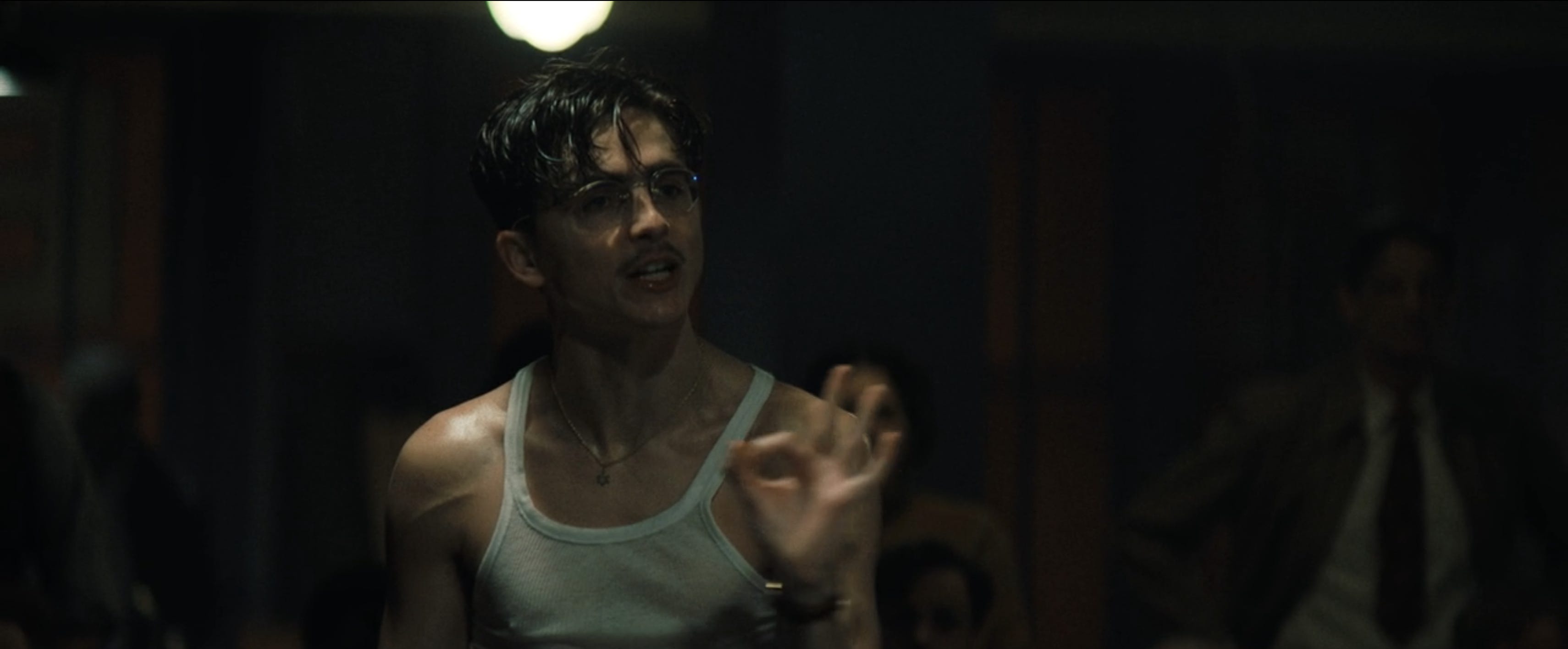
Marty Supreme is a perfect example: each misadventure Marty encounters relies on him forcing the world to respond to him. Imagine if he just continued working at the shoe store, playing ping pong in dank New York parlors at night, hoping someone might notice his greatness and do something with it. Nothing would happen. We don’t need to celebrate Marty’s specific strategies but we can see the importance of doing something, anything, to inject motion into longing.
There Has to Be a Redeeming Quality
The aughts were an embarrassment of riches for anti heroes. Between Don Draper, Walter White and Tony Soprano, we loved so many terrible men.
You didn’t need to be a fraudulent, philandering ad executive, a meth-cooking drug lord or a New Jersey mob boss to see yourself staring back from the screen. The writers mapped these characters with such precision that all that agonizing human dysfunction could make you look at a literal murderer and think, “Oh, same.”
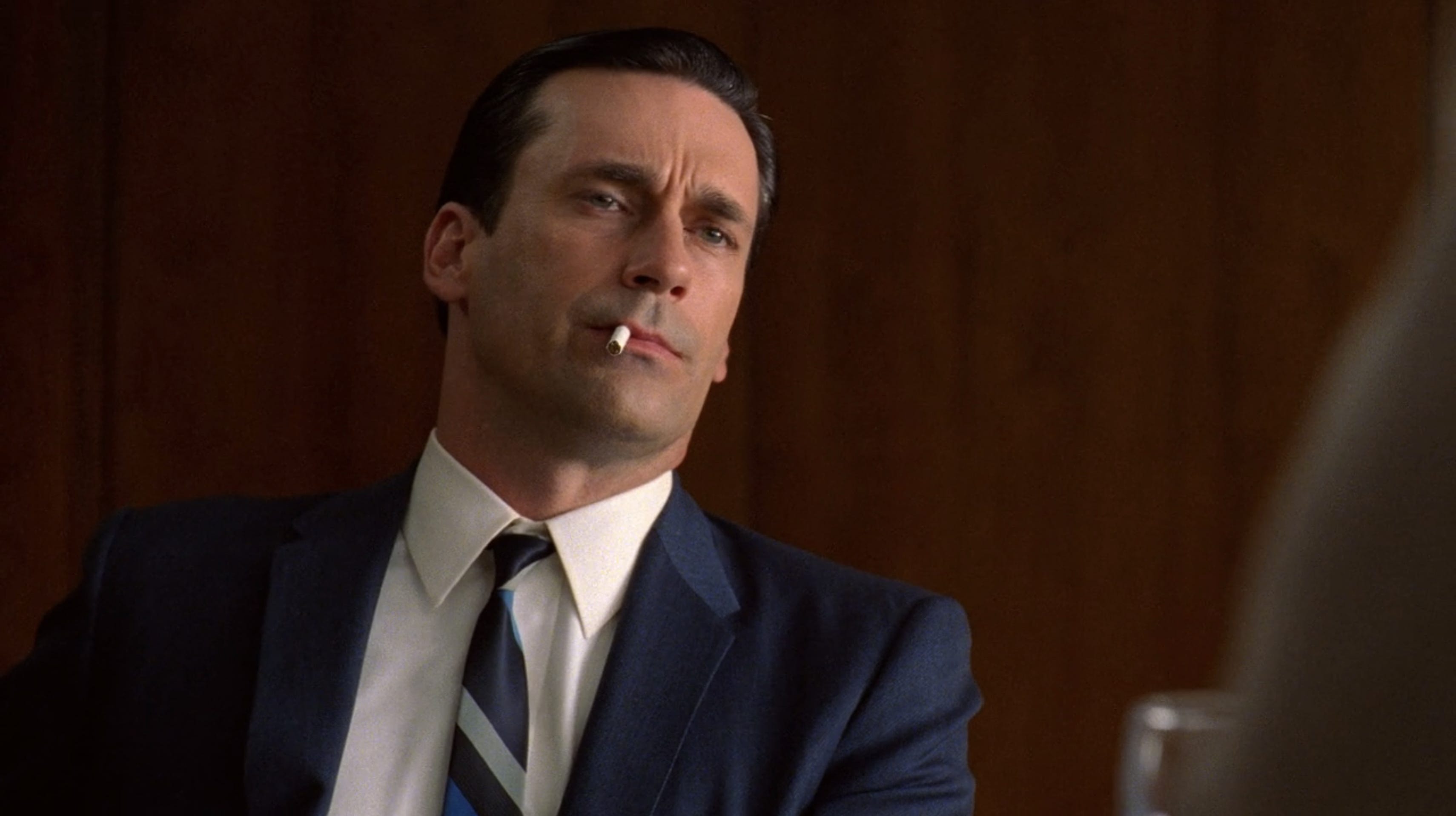
Don was so good at his job that he sold the American Dream while also transforming himself into it. He was the perfect midcentury man: a gorgeous shell of talent, intelligence, and success. If men had It Girls, Don would be Jane Birkin. He’d occasionally throw generosity like a scrap of steak to a stray dog, and you’d spend three seasons chewing on it, blinded by his charisma.
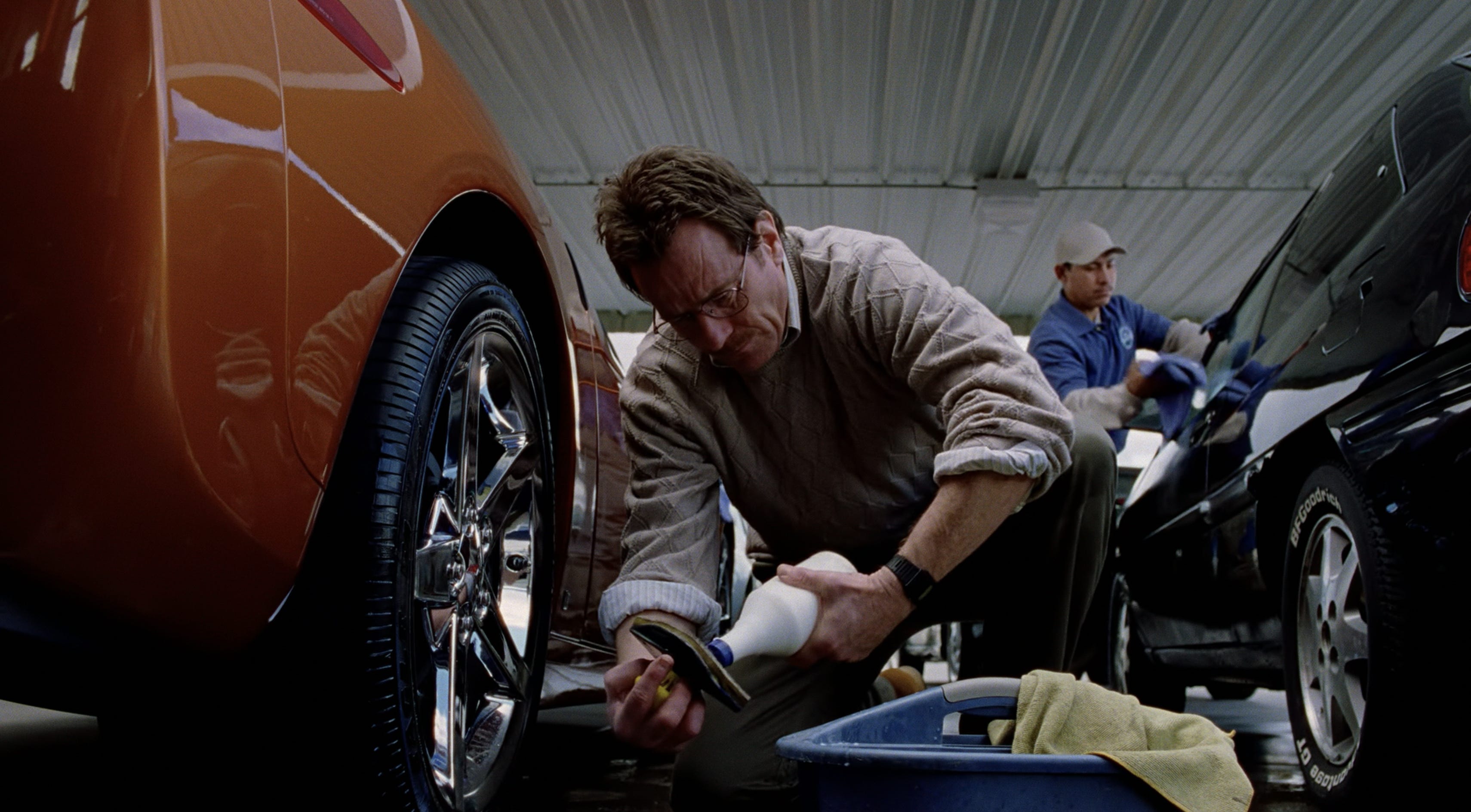
Walt was an underdog so pathetic, the first episode might have been among the toughest watches of the entire series. Nobody respected him, he was scrubbing his own students’ tires at a car wash, his genius ignored, and then: terminal cancer. Who hasn’t felt like everything is piling up when you’ve seemingly done everything right? He was a trapped animal who decided to do something about it, and because he was brilliant, strategic, and determined, you had no choice but to scream “Go get ‘em Mr. White!” all the way until he poisoned a child.
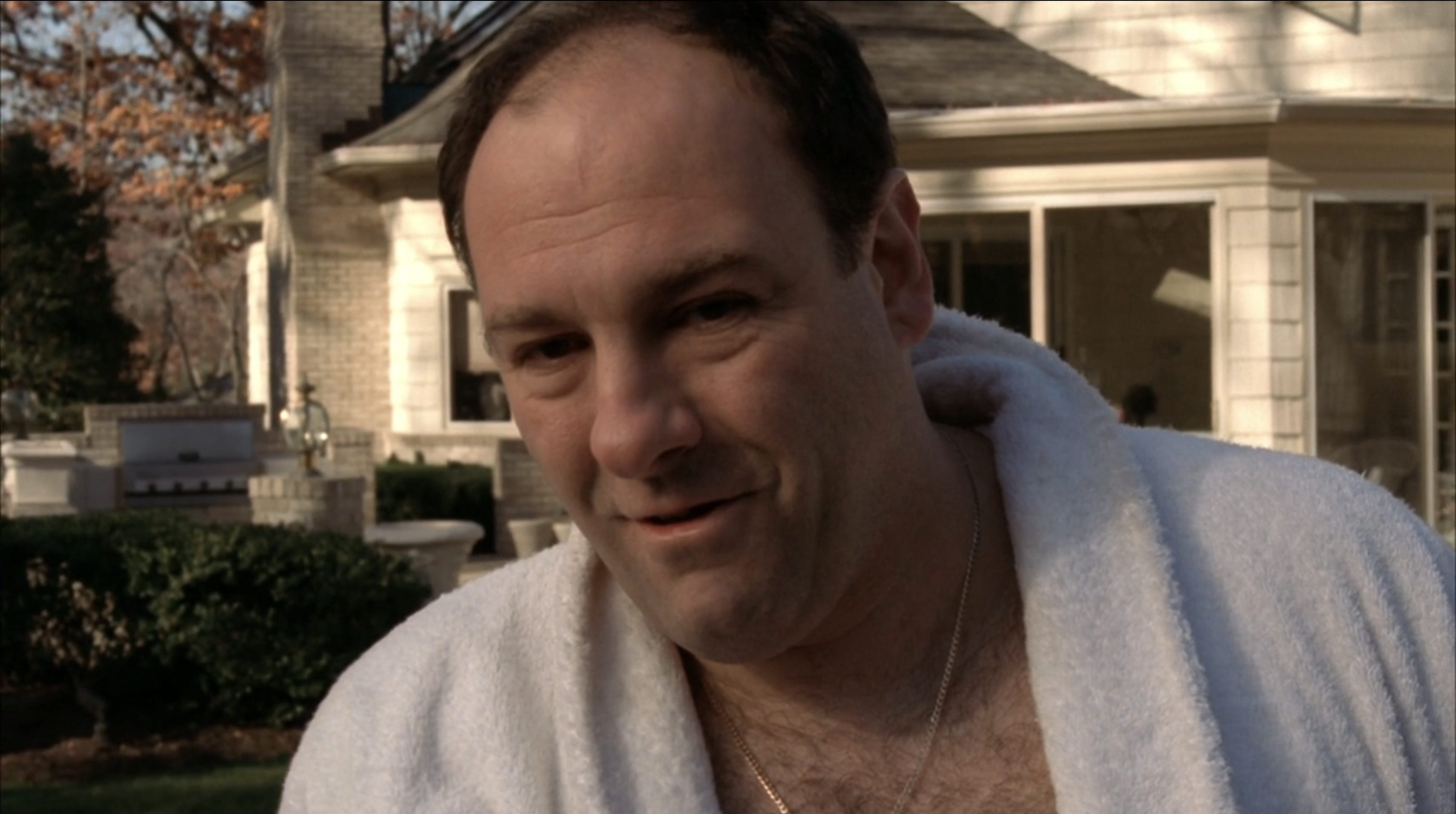
And of course, my personal crush Tony. The man was raised by Livia Soprano, a woman who possessed the maternal warmth of wet concrete. He was inherited-trauma personified, but under his intimidating exterior was domestic devotion. He loved his kids so much it broke your heart; he wanted to buy them a clean life with dirty money. He wanted to change, to become more self-aware, so he went to therapy (ladiesss, if he wanted to, he would!). He was funny! He was magnetic! And my God, the ducks! A hulking, sociopathic killer weeping over a family of waterfowl in his swimming pool. We were helpless.
The redeeming quality is absolutely true for reality television too. A reality villain usually must be funny. Otherwise, they’re just a bully, and nobody wants to watch a miserable display of human cruelty at 9pm on a Tuesday. We want theater.
I’ve never worked on the casting side of unscripted TV (or the kind that has a villain, for that matter) but some of my friends have. They’ve explained the dark science to me: they pitch the cast as a whole, having some understanding of who the instigator will be. Typically a self-described “tell it like it is” person, with a lethal sense of humor. Think of the greats: Tiffany Pollard on Flavor of Love, Christine Quinn on Selling Sunset and of course, Courtney Robertson on The Bachelor, an absolute monument to unscripted psychological terrorism.
I will never, for as long as I live, forget when Courtney waltzed in front of women collectively experiencing ego death over a man named Ben:
Courtney: “God, I am so nervous for tonight’s elimination!”
One of the women, scraping herself off a futon, bewildered, as Courtney is the obvious frontrunner: “Really?”
Courtney: “No.”
Incredible.
The lesson is: you do not have to be everything all at once. Life will very quickly tell you about your shortcomings. But knowing your redeeming quality will not only release you from the chains of perfectionism, it will give you space to make mistakes.
Pick a lane. The mistake is thinking success, whatever your definition of that is, comes from following someone else’s formula when it usually comes from doubling down on your own unfair advantage. Figure out your currency and use it.
In his recent collection of essays The Land and Its People, David Sedaris proclaims “I’m an idiot, basically.” He confesses he doesn’t know why he is invited to many of the rooms he’s in. Like the time the Pope held a summit of funny people at the Vatican and David couldn’t even land a joke at dinner. Maybe “an idiot” in that he is not Julia Louis-Dreyfus or Stephen Colbert and instead, a man who loves 1000-lb Sisters, but also self-deprecating, refreshingly honest, a very good writer. He’s built a career with this beautiful neurosis-driven transparency. We can all build something on our version of that.
There Has to Be a Clear Objective
We have to know what the main character wants. Otherwise, it’s just vibes. Which can definitely turn into a film A24 might be interested in.
Sometimes the person explicitly says it. They even set up the stakes: “If this doesn’t happen, I will lose it all.” I know people enjoy complicated films where it’s not so obvious. I, too, like a movie that makes you sit up and engage rather than being spoon fed the plot. Did anybody watch Infinity Pool? What was going on? What is wrong with the Cronenberg family? I loved it!
But sometimes, the spoon-feeding gets the objective out of the way, it clarifies things so that we can move on to the action. “I want X because Y. If I don’t get it, here is what might happen.” Thank you! Now I know where to direct my anxiety.
This is useful to say out loud to yourself: “I want X because Y. If I don’t get it, here’s what might happen.” Say it!
In Whiplash, Andrew wants to be not just an incredible drummer, but one of the greats.
In Ladybird, Ladybird wants to get out of Sacramento.
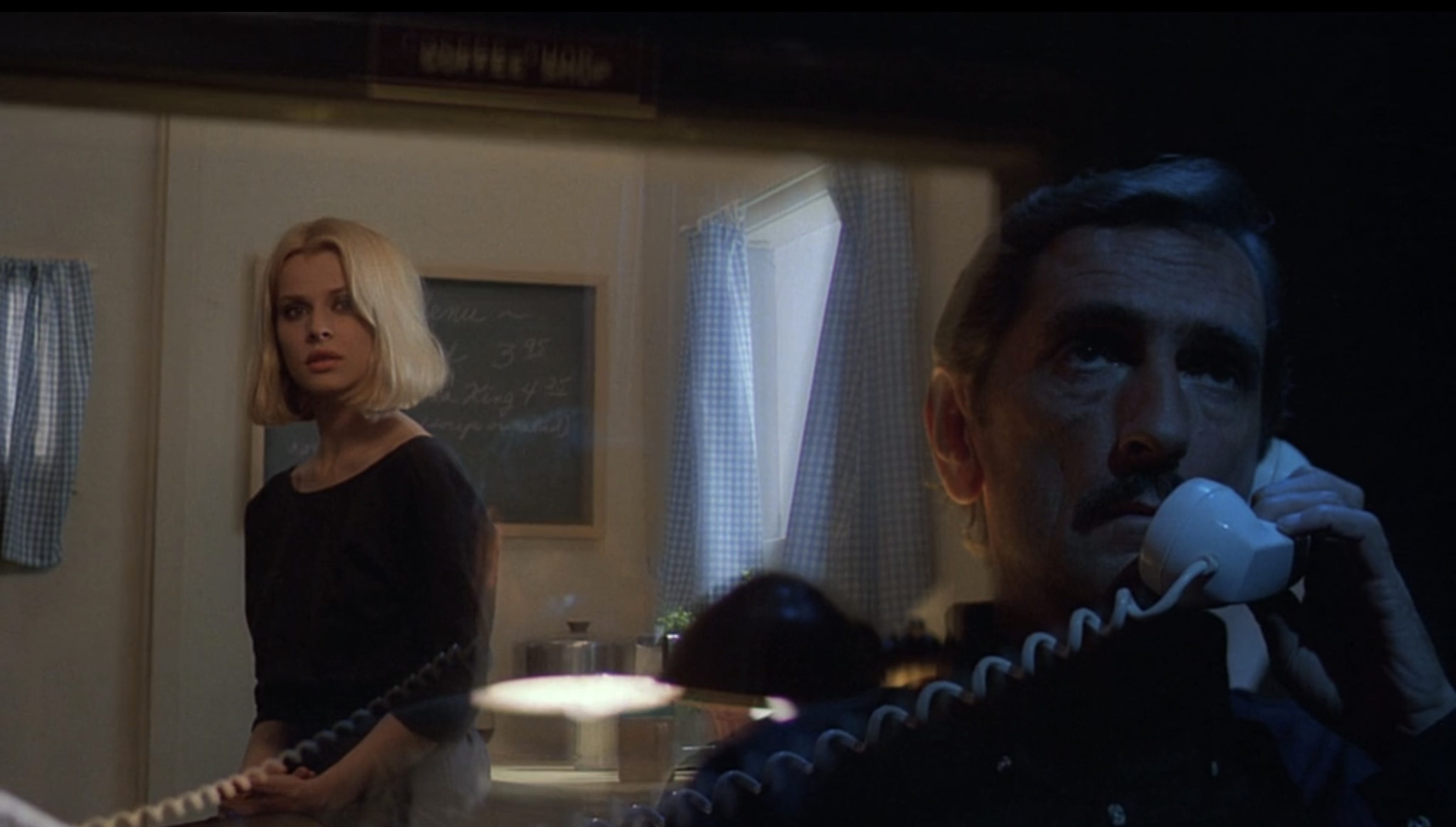
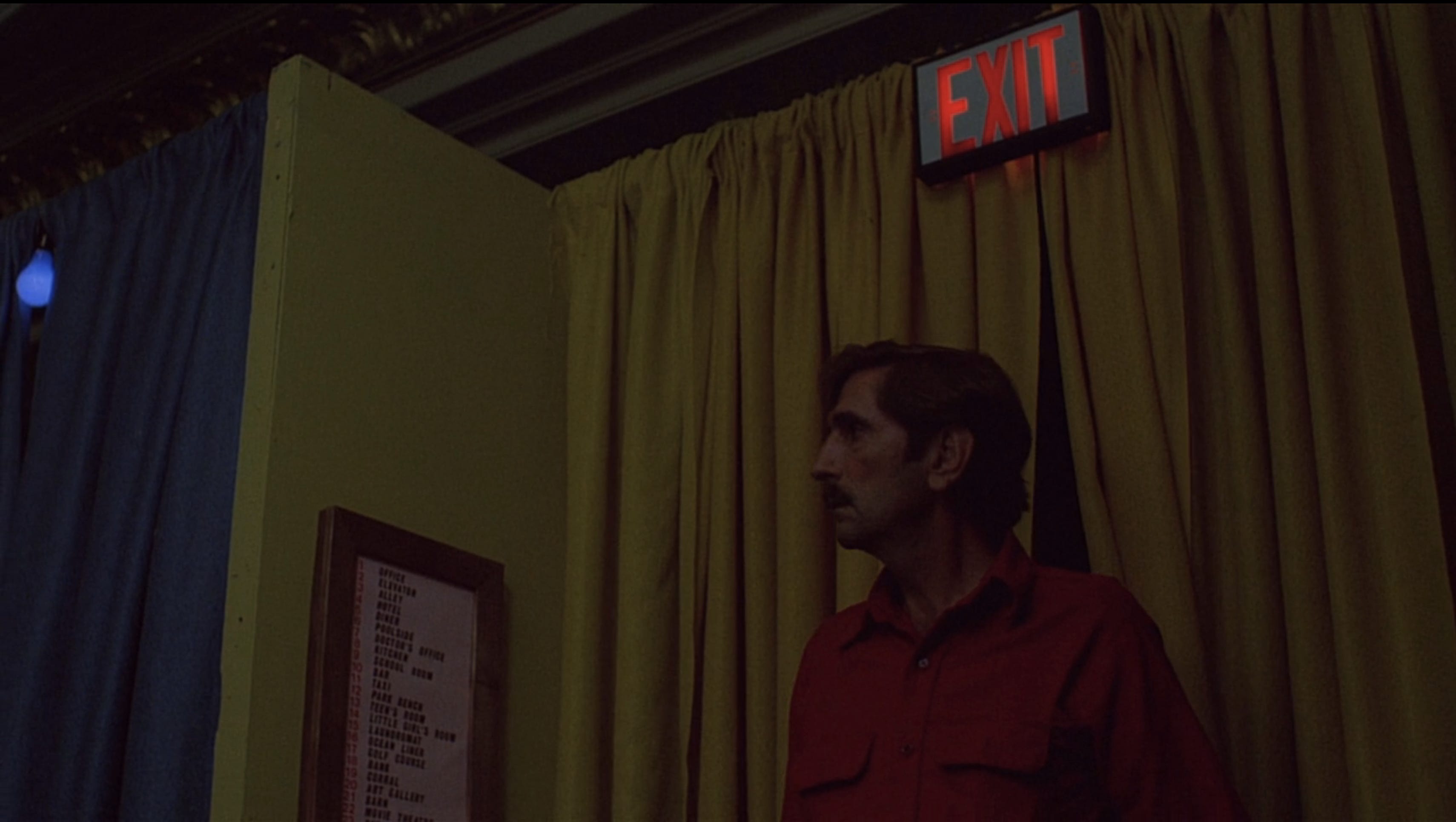
In Paris, Texas, Travis wants to reunite with his family.
In Challengers, Tashi wants to win, on the court and off. She wants dominance. Everyone else wants Tashi.
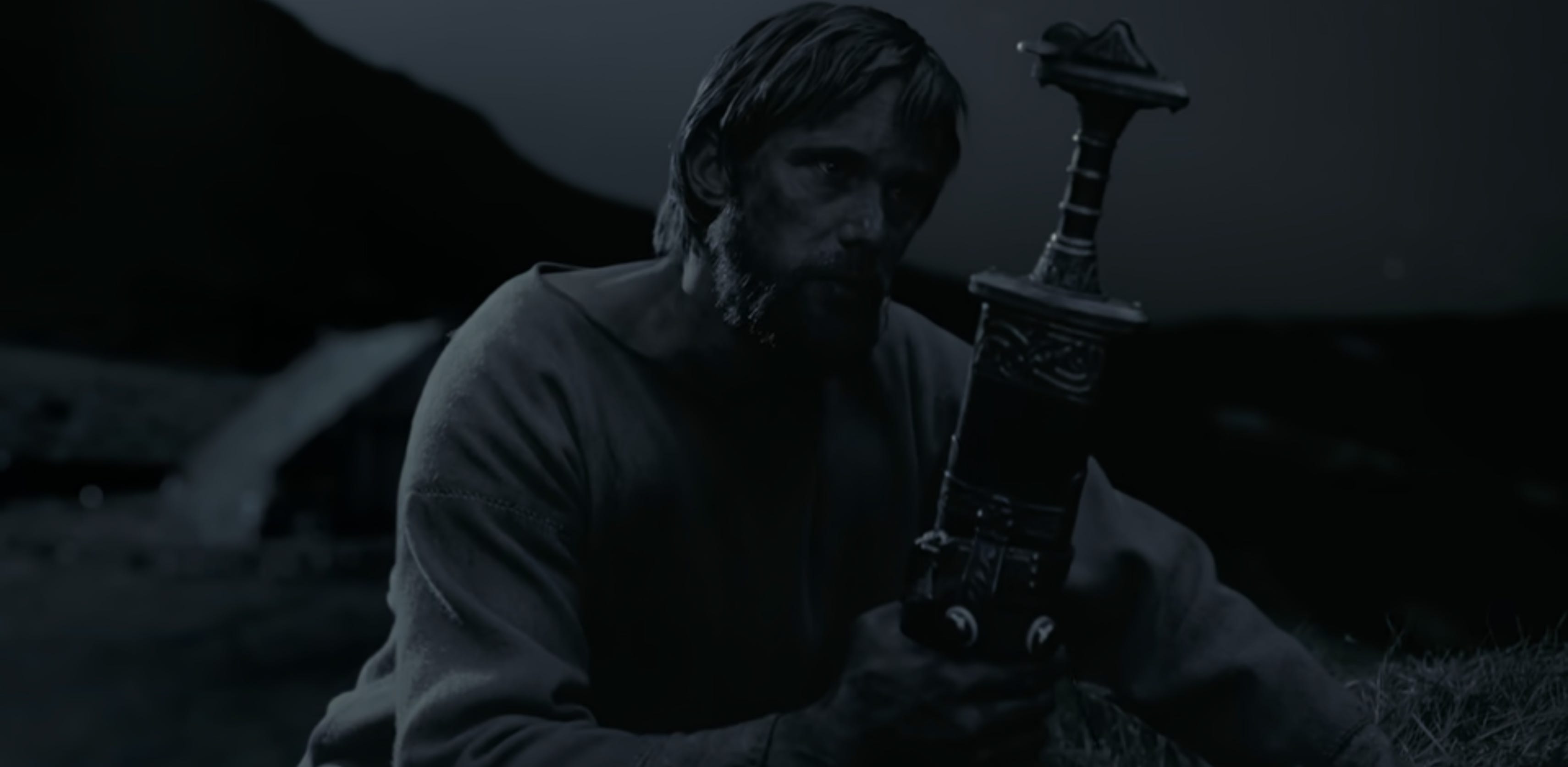
In The Northman, Amleth wants to save his mother, kill his uncle, avenge his father. He says it like 50 times.
None of these characters are wondering if they should’ve gone to law school.
“Is this right? Should I choose a different path? What about this other thing?”
Lock those questions in a box and throw away the key! Pick something and commit. Don’t hesitate. Have conviction. Because the moment you choose, you get to enter Act II. Which is Dante’s Inferno but also, where life actually happens. The bridge is burned behind you and now you must withstand the friction of your choice.
Most people never make it this far. They’re still comparing notes and optimizing themselves into a permanent state of potential.
Meanwhile, the people doing extraordinary work started a long time ago and kept going. They committed early and never veered off course. It’s like when an actor says “I couldn’t do anything else because I literally couldn’t do anything else.” Be like Mark Ruffalo.

Things Get Very Bad Before They Can Get Good
Act II baby! This part is terrible. I am so sorry.
We have all done the thing where “taking a little breather” becomes a lifestyle. It’s when you pursue comfort and convenience above all else and then suddenly, you are living in bubble wrap and your soul is becoming chia seed pudding. It’s a poreless, AI-generated existence. The death of flavor. The loss of edge. You are an amorphous blob drifting from one streaming platform to the next, putting things into Cart on a second screen.
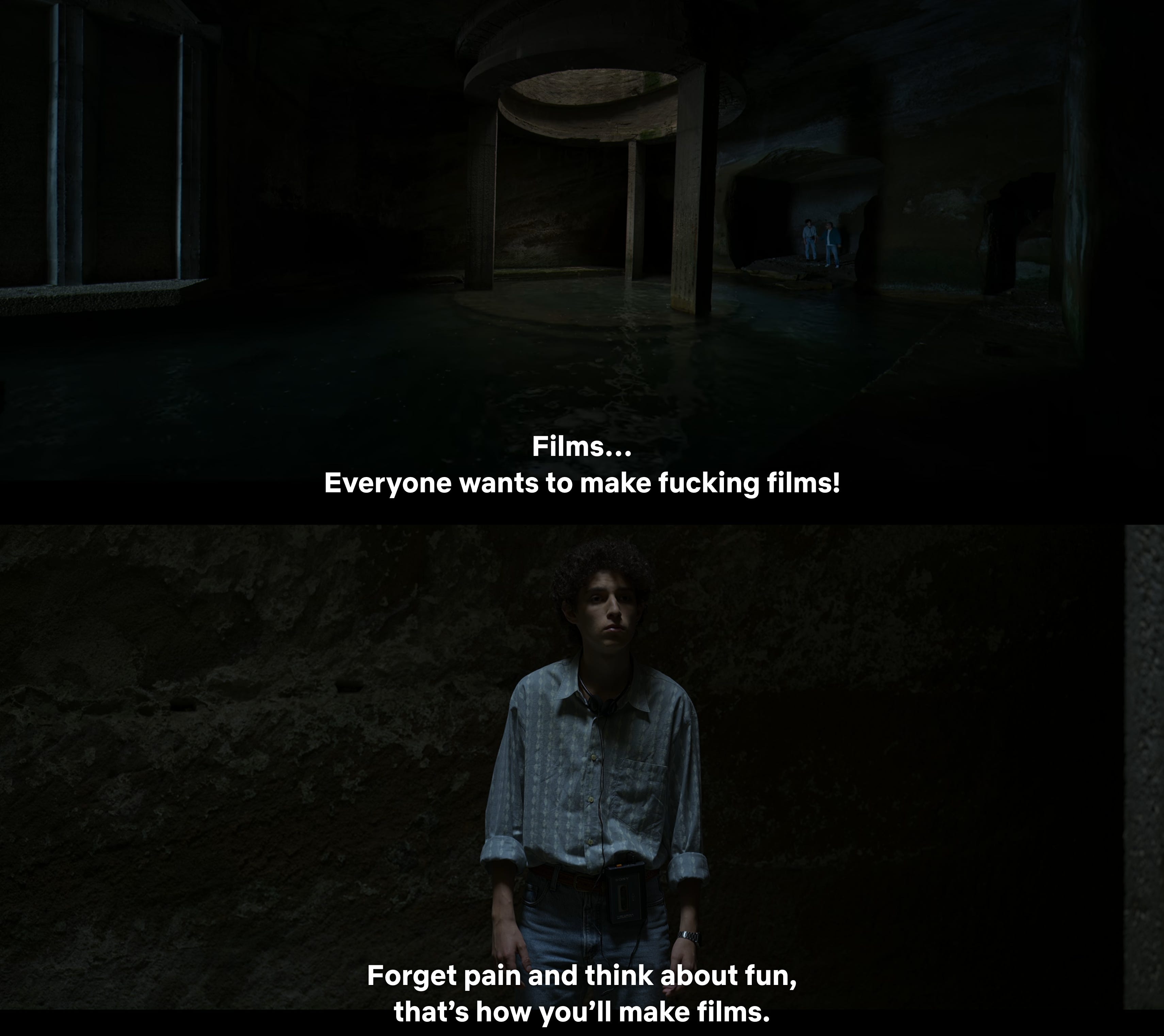
In Paolo Sorrentino’s The Hand of God, director Antonio Copuano encourages aspiring filmmaker Fabietto, who has at this point lost almost everything, to stay in Naples and endure his pain, despite his desire to escape to Rome.
Before Fabietto even says a word about himself, it’s as if Copuano knows. He shouts: “I like conflict, without conflict you don’t progress.”
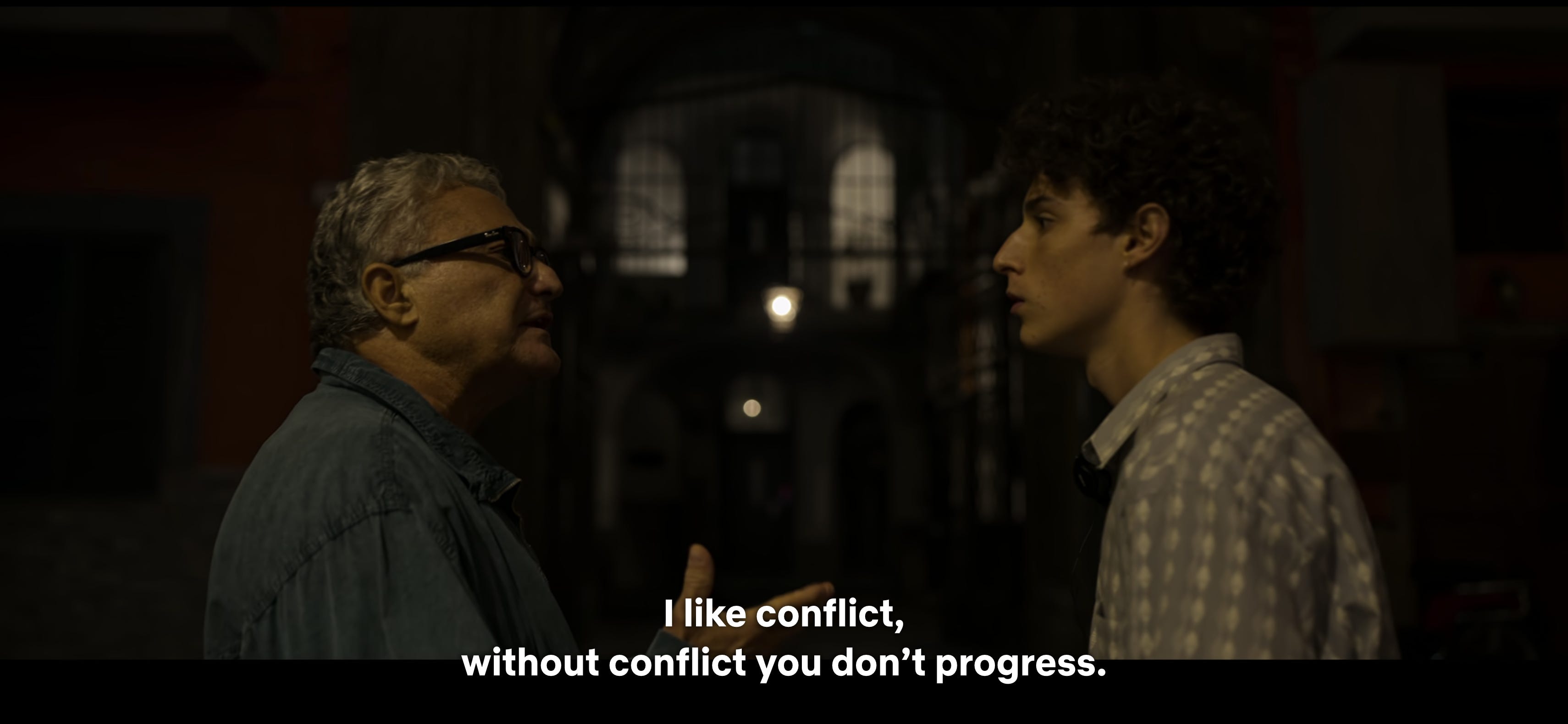
The Dark Night of the Soul is not usually so spelled out through dialogue but this is a film where the decision to stay is how the hero overcomes his foil: the belief his life is out there, away from his grief.
There has to be an adversary, be it a person, an event, or just the sudden, violent nausea of being sick of your own inertia, to move things along.
I read somewhere that the three most devastating life events are losing a loved one, losing a job or going through a divorce. It is a mathematical certainty that everyone will experience at least one of those, when you think about it. In other words: the universe will come for you in Act II. It will rip the roof of your house and force you to look at the storm.
But this is where the main character is actually born. The obstacle usually isn’t the material obstacle at all. It’s the inner work. Think about the things you value most in your life or in yourself: did those come from ease or did they come from struggle?
Like Fabietto, we often think “if only I got to this city or into a relationship or landed that job, then it would all work out.” Or me: “How can I write a masterpiece in a room with these baseboards?” But that’s your brain trying to protect you by projecting a reality where the environment does all the heavy lifting.
I often convince myself that if I moved back to Los Angeles full-time, I would finish a screenplay immediately. I’d be so inspired! I would be in the zone. Paramount is right there. I could take the studio tour and sit on Forrest Gump’s bench or breath the rare air of Hitchcock’s Sound Stage, absorbing genius through osmosis.
But I know from experience that any time I’m in LA, I can’t wait to return to Colorado because there is more space, less distractions, fewer opportunities to be social.
It turns out, no matter where you fly, you still have to bring your own brain. And that, unfortunately, is the worst part of traveling.
—
I don’t have very much to say about Act III because it’s much harder to start something than it is to finish it. I don’t mean that in the way of this essay, which I will finish shortly, but in the larger sense of being asked to provide instructions for how all of existence resolves itself.
There is no life lesson in Act III because Act III itself is the lesson.
It is the hardest to write because art imitates life with the same questions we grapple with on a daily basis: How will the hero pull it off? How will it all come together? Will it come together?
Well, you’ll have to get creative. That’s maybe the only honest answer.
The feedback on my particular screenplay was that the resolution relied too much on happenstance. I happen to think coincidence is a feature of existence!!! But maybe the takeaway is at some point, be it in a story or in life, you have to accept that it is the hero’s job to drag the mess across the finish line.
Who would I be if I couldn’t write?
A person with no understanding of where the finish line even is, turning left, then right in the dark.
So many great thoughts in this piece, Lisa! Loved it. Regarding journalling, I was recently at a friend's house who has dozens, possibly hundreds of journals on her shelf. She journals all the time. Like you, I hate the idea of someone reading through them after my death, and finding out all these thoughts I had about all sorts of things that might upset them, because thoughts come and go, but once they're on paper... eeek! If I do write stuff down because I need to work through it, I scribble in my worst possible scribble to make it illegible to anyone but myself.
Sending you a hug and a lot of admiration for this piece,
Cesca xx
Another incredible work of art you have just shared. This jumped out at me, for I too have this guilty pleasure "I have a strange relationship with self-help books, in that I consume them voraciously but ultimately they change nothing about my life."